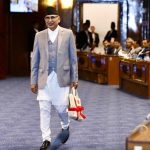
Kathmandu – In the fiscal year 2082/83, the Government of Nepal has placed strong emphasis on catalyzing private investment and aligning national policies with the Sustainable Development Goals (SDGs). Through key reforms highlighted in points 25 and 26 of the budget speech, the government has signaled a decisive shift toward a more agile, investment-friendly economy.
Creating a Conducive Climate for Private Sector Growth
To boost private sector confidence, the government is undertaking legal and institutional reforms aimed at making investment entry easier and more predictable. By channeling public investments into high-return, competitive sectors and encouraging public-private partnerships, the state aims to unlock economic productivity and job creation. The implementation of the 2078 Economic Reform Commission’s recommendations is expected to lay the foundation for long-term structural transformation.
Accelerating Progress Toward SDGs by 2030
As Nepal anticipates graduating from LDC status by 2026 and achieving the SDGs by 2030, the budget emphasizes resource diversification and institutional efficiency. Public debt will be directed toward high-yield programs, while outdated and low-priority projects will be phased out. The government will also prioritize the use of cost-effective technology and innovative financing tools to ensure impactful development outcomes.
These reform agendas reflect a broader policy vision of steering Nepal toward a resilient, inclusive, and investment-driven economy. If executed efficiently, these measures can transform the private sector into a powerful engine of growth while positioning Nepal favorably on global development indices.