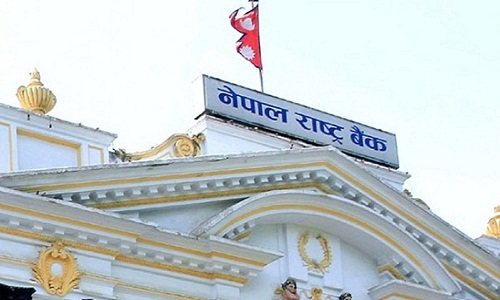
Nepal Rastra Bank (NRB), in its Monetary Policy for FY 2082/83 (2025/26), has reaffirmed its commitment to improving financial integrity by taking decisive steps to remove Nepal from the Financial Action Task Force (FATF)’s “grey list.” The policy outlines a clear strategy that strengthens surveillance, investigation, and enforcement mechanisms to align with global anti-money laundering (AML) and counter-terrorist financing (CTF) standards.
Enhanced Surveillance and Enforcement to Exit the Grey List
In response to international scrutiny, NRB has introduced a results-driven approach aimed at meeting FATF’s requirements. The monetary policy outlines that Nepal will strengthen investigation and prosecution processes, particularly for suspicious financial transactions. This will be conducted in close coordination with relevant regulatory and enforcement bodies, in line with the country’s action plan submitted to FATF.
To ensure progress, NRB has pledged full implementation of its national strategy and action plan on AML/CTF. This includes bolstering the capacity of financial intelligence units, expediting the flow of intelligence to enforcement agencies, and automating financial information sharing systems for better case resolution.
Compliance-Driven Reforms to Restore Investor Confidence
The urgency to exit the FATF grey list is not only about global compliance—it has direct implications for Nepal’s economic and investment environment. Being on the grey list increases transaction scrutiny for Nepali banks, limits foreign investment flows, and creates reputational risks that impact the capital market.
Implication for the Stock Market:
By taking concrete steps to enhance financial governance, NRB aims to restore international confidence in Nepal’s financial system. A clean FATF record reduces reputational risk and makes Nepal more attractive to foreign institutional investors. Additionally, improved transparency in banking and financial flows supports a more robust and trustworthy capital market.
Digital Intelligence and Financial Transparency Boost
The policy also emphasizes upgrading NRB’s Financial Information Unit (FIU) to improve coordination and automation. Financial intelligence will now be transmitted more efficiently to investigation agencies, enhancing the speed and quality of enforcement actions. This modernization aligns with NRB’s parallel push for a more secure and digitized payment ecosystem, which is critical for maintaining traceable financial flows.
Link to Broader Monetary Reforms Supporting Market Health
While FATF compliance focuses on risk mitigation, the broader Monetary Policy 2082/83 introduces several reforms that complement this agenda and support capital market development:
- Risk-Based Loan Pricing will incentivize sound lending practices and reduce NPLs, stabilizing the financial system.
- Unified KYC Policy ensures that customers need to complete their identification process only once across institutions, easing onboarding and supporting greater retail participation in financial markets.
- Capital Strengthening Provisions for Banks will improve lending capacity, including to share investors through margin lending.
Conclusion: Policy That Balances Reform and Market Growth
The 2082/83 monetary policy demonstrates a dual commitment: to align Nepal’s financial system with international AML/CTF standards and to foster a capital market that is transparent, inclusive, and growth-oriented. By addressing FATF obligations proactively and modernizing regulatory frameworks, NRB is laying a foundation for sustainable investor confidence—both domestic and international.