Editorial Desk,The Bizonomics
Kathmandu – If cities could speak, Kathmandu would whisper ancient mantras, chant festive tunes, and laugh with stories etched in bricks and bells. Welcome to the capital of Nepal — a city where every alley, temple, and tea stall tells a tale of time, trade, and transformation. This isn’t just a destination; it’s a sensory explosion waiting to be felt. The air smells like spice and smoke, the walls echo with prayer and protest, and the sky shifts color over a city that never stops evolving.
Where the Past Meets the Pulse
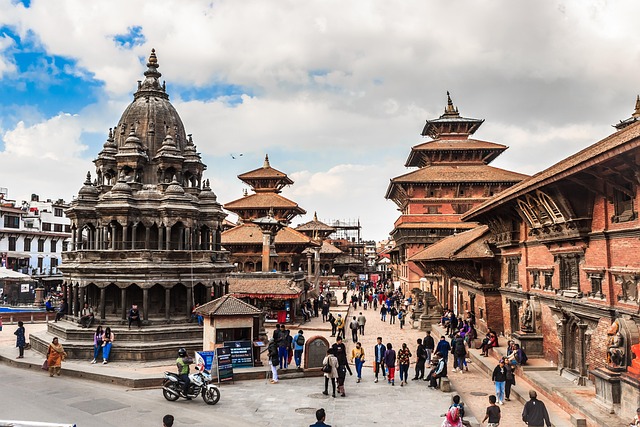
Kathmandu is more than just the political heart of Nepal; it is a beating archive of Himalayan civilization. Nestled at an altitude of 1,400 meters, this city carries the aroma of incense, the clang of temple bells, and the rhythm of a bustling crowd that never really sleeps. Despite modernization sweeping through its fringes, Kathmandu holds tight to its sacred roots.
At the center lies Kathmandu Durbar Square, a UNESCO World Heritage site and a testament to the Malla kings’ architectural and cultural brilliance. Despite suffering damages in the 2015 earthquake, the square remains a hub of history, with Hanuman Dhoka Palace, Taleju Temple, and the enigmatic Kumari Ghar (home to the living goddess) drawing in both pilgrims and curious minds. These monuments are not only historic relics but also daily reminders of a culture that reveres both the divine and the temporal.
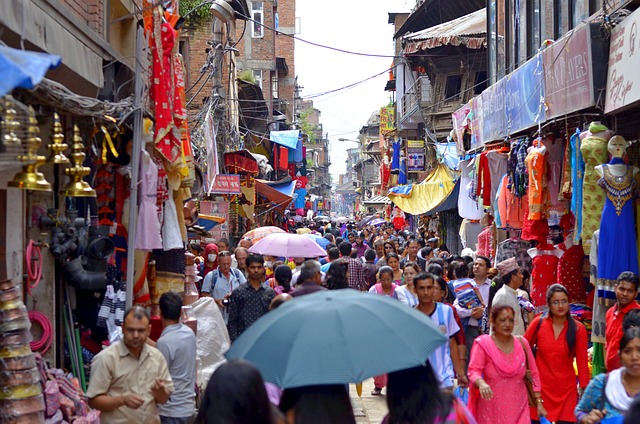
But Kathmandu isn’t frozen in time. Walk a few minutes away and you’re in Thamel — a vibrant maze of color, cuisine, and commerce. It’s where tradition meets tourism: momos being steamed on street corners next to boutiques selling hemp bags and yak wool scarves. Local musicians jam outside cafes while foreign backpackers swap stories over masala tea and Everest beer. It’s chaotic, creative, and completely addictive. Thamel never truly sleeps — it pulses through the day and glows into the night.
Spiritual Sojourns and Sacred Geometry
One cannot talk about Kathmandu without delving into its spiritual significance. The Valley is a sacred amphitheater, where gods walk among mortals and prayer is an everyday act.
-
- Swayambhunath (a.k.a. the Monkey Temple): Perched atop a hill, this stupa offers not only panoramic views of the valley but also spiritual clarity for those who circle its golden dome. Prayer flags flutter like butterflies in the wind, and monkeys dart across ancient carvings as if they too are guardians of wisdom.
-
- Pashupatinath Temple: A major Hindu pilgrimage site dedicated to Lord Shiva, the temple complex hums with rituals, especially during Maha Shivaratri, when thousands of sadhus gather here. The scent of sandalwood mixes with cremation smoke in a surreal harmony between life and death.
-
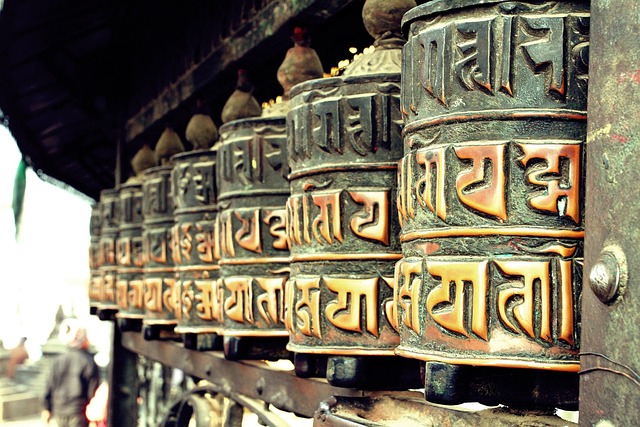
- Boudhanath Stupa: One of the largest spherical stupas in the world, Boudha is the heart of the Tibetan Buddhist community in Nepal. The gentle spin of prayer wheels and the aroma of butter lamps infuse the air with peace. Monks chant under the watchful eyes of Buddha painted in four directions.
These aren’t just spiritual symbols; they are also economic engines. Religious tourism contributes significantly to the Kathmandu Valley’s local economy, supporting thousands of jobs in hospitality, handicrafts, and guiding services. With spiritual seekers arriving year-round, even the tiniest teashop outside a monastery becomes part of a larger ecosystem. Locals earn by offering homestays, spiritual tours, or even handmade prayer beads, weaving economic value from devotion.
Beyond the Buzz — Patan and Bhaktapur
Kathmandu’s beauty expands beyond its borders into its sister cities: cultural sanctuaries that feel like time capsules but beat with modern life.
-
- Patan (Lalitpur): Known for its exquisite Durbar Square, bronze workshops, and Buddhist-Vajrayana traditions, Patan feels like an open-air museum. Don’t miss the Golden Temple (Hiranya Varna Mahavihar) and the lively art streets of Kwalkhu. You’ll find artisans hand-hammering prayer bowls, families preserving ancestral rituals, and cafes serving fusion dishes that marry East and West.
-
- Bhaktapur: Often called the “City of Devotees,” Bhaktapur is where medieval Nepal breathes. Its Durbar Square, Nyatapola Temple, and Pottery Square are visual feasts. Try their signature yogurt, “juju dhau,” and explore labyrinthine alleys where every brick tells a tale.
Both cities have embraced responsible tourism. A part of the entrance fees paid by tourists goes into cultural conservation — a sustainable model balancing preservation and livelihood. Streets are cleaner, heritage is better maintained, and locals are taking pride in their unique legacies. The growing number of community-run museums and restoration programs reflects a grassroots movement to protect what makes these cities irreplaceable.
The Economic Engine Beneath the Mandalas
Tourism accounts for about 7.9% of Nepal’s GDP, and Kathmandu is a major contributor. With over a million international tourists arriving in 2024, post-pandemic recovery is not just underway, it’s thriving. But beyond statistics lie countless human stories of entrepreneurship and resilience.
-
- Boutique hotels and homestays have mushroomed in places like Jhamel, Boudha, and Patan. These aren’t just places to sleep — they’re storytelling spaces that offer local cuisine, art, and cultural programs.
-
- Digital nomads are turning Kathmandu into a temporary base thanks to better internet, co-working cafes, and yoga studios. The synergy between ancient wisdom and modern work culture creates a unique productivity sanctuary.
-
- Domestic tourism has surged too. Young Nepalis are exploring their heritage through curated tours, Instagram storytelling, and culture festivals. This new wave of local pride is crucial to creating an economy that values its roots.
Kathmandu’s tourism value chain supports artisans, transport workers, guides, café owners, and even street performers. Each dollar spent echoes through multiple layers of the local economy, giving rise to micro-enterprises, women-led businesses, and craft cooperatives. Many local women have found independence through culinary classes or weaving cooperatives funded by tourism. The cycle of earning and reinvesting into culture is what sets Kathmandu apart.
Hidden Gems and Emerging Trends
While the major attractions get most of the spotlight, Kathmandu Valley is full of lesser-known experiences that offer richer, more personal memories.
-
- Kirtipur: A hilltop town with Newar heritage, local wine (aila), and panoramic valley views. Fewer crowds mean deeper connections with locals and culture.
-
- Bungamati and Khokana: Rustic villages where time ticks slowly, perfect for cultural immersion. Here, mustard oil is still pressed in wooden mills, and folk songs accompany daily chores.
-
- Garden of Dreams: A neoclassical oasis in the heart of the city — great for romantic escapades or solo journaling. It’s a whisper of Europe in the lap of Himalayas.
Travel trend alert: Experiential travel is on the rise. Tourists today don’t just want to see Kathmandu; they want to feel it. From joining a thangka painting workshop to volunteering at a local school or learning to cook daal-bhaat, immersive experiences are Kathmandu’s new currency. These micro-interactions leave lasting impacts and transform short visits into soul journeys. Culinary tourism, spiritual retreats, and eco-volunteering are redefining what it means to explore Kathmandu.
Challenges and Hope
Yet, Kathmandu isn’t without its trials. Overpopulation, pollution, and traffic congestion challenge its infrastructure. The air quality dips in winter, and unchecked urban sprawl threatens heritage sites. But these issues aren’t being ignored.
Organizations like the Kathmandu Valley Preservation Trust (KVPT) and UNESCO are working hand-in-hand with local governments to restore temples and implement urban conservation. From drone-assisted reconstructions to digital archives, technology is merging with tradition to safeguard history.
Green tourism initiatives are also gaining ground. Bicycle tours, EV taxis, and plastic-free campaigns are nudging Kathmandu toward a more sustainable future. Educational outreach, eco-certification for hotels, and local government policies are slowly but steadily building momentum for a greener valley. New startups are creating eco-souvenirs, and even hostels are switching to solar power and waste segregation systems.
The Emotional Equation
Kathmandu is not just a destination — it’s an emotion. It welcomes seekers and wanderers alike. It embraces contradiction: chaos and calm, ancient and evolving, sacred and spontaneous. There’s wisdom in its wrinkles and poetry in its imperfections.
From sipping chai on a foggy morning in Asan to watching the sunset behind the stupa in Boudha, every moment here connects you to something deeper. It’s not always easy, but it’s always authentic. Whether you arrive here broken, lost, curious, or jubilant — Kathmandu has a way of becoming your mirror.
Kathmandu doesn’t just ask for your attention; it earns your affection. It doesn’t lure you with glitter; it invites you with grace.
Final Thoughts
Kathmandu is where every crack in a temple wall has character, every prayer flag tells a story, and every street corner hums with the heartbeat of history. It’s not perfect, but that’s what makes it real. And beautiful.
In a world chasing sterile luxury and algorithm-curated experiences, Kathmandu stands out as authentic, flawed, but overwhelmingly human. It doesn’t promise ease; it offers meaning.
So pack your bags. Kathmandu is not calling you for a vacation — it’s inviting you into its story. One step, one smile, one serendipity at a time.
Stay tuned with The Bizonomics Nepal for more travel stories, economic insights, and the soul of destinations that matter.
#KathmanduDiaries #TheBizonomicsNepal #TravelNepal